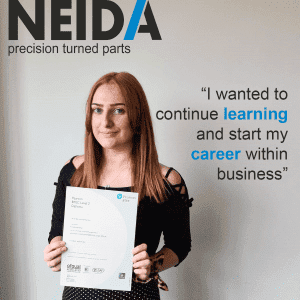
Choosing what to do after GCSEs can feel like a big decision. If you enjoy practical learning and are interested in a particular career, there are several different routes you can take.

One of these is a T Level.

T Levels are post-GCSE technical qualifications for students aged 16 to 19 in England. They combine classroom learning with practical industry experience, helping students develop the technical and workplace skills they need for employment, an apprenticeship or further study.

At NEIDA, we believe that giving the next generation the opportunity to experience engineering is an important part of helping to close the skills gap and develop the engineers of the future.

What are T-Levels?

T Levels are two-year technical qualifications for students aged 16 to 19 in England. They are designed to prepare students for skilled employment, an apprenticeship or further study.

A T Level is equivalent in size to three A Levels, but with a strong focus on technical knowledge and practical skills.

The courses are developed with employers to make sure students gain knowledge and skills that are relevant to the workplace. This means students can learn about their chosen industry while also gaining experience that can help prepare them for their future.

How do T-Levels Work?

T Levels combine learning in the classroom with experience in a real workplace.

80% Classroom, 20% Work

Around 80% of a T Level is spent in the learning environment, where students develop the technical knowledge and skills needed for their chosen industry.

The remaining 20% is spent on a meaningful industry placement, giving students the opportunity to put what they have learned into practice in a real workplace.

This combination allows students to understand the theory behind their chosen subject while seeing how it is applied in the workplace.

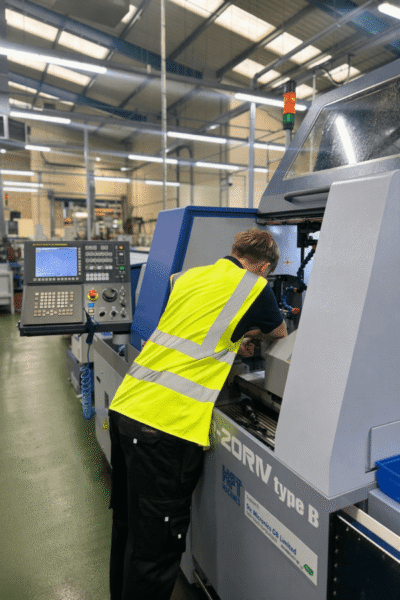
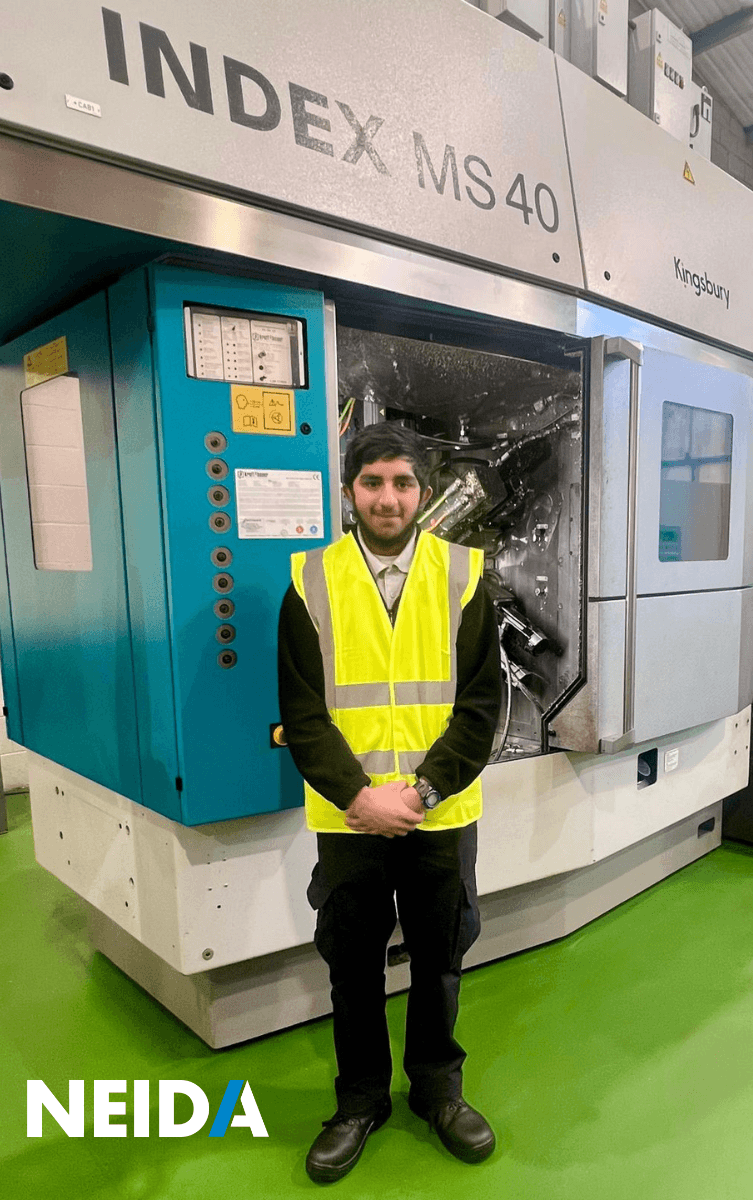
For someone interested in engineering, an industry placement could mean seeing manufacturing processes first-hand, learning about the technology used by engineers and understanding how different teams work together.

It also gives students the chance to build confidence, develop communication and teamwork skills and experience what it is like to be part of a professional team.


What is a T Level industry placement?

An industry placement gives students the opportunity to spend time with an employer and gain practical experience related to their course.

Rather than simply learning about a career in the classroom, students can experience the working environment for themselves. They can meet people working in their chosen industry, understand how a business operates and see what a typical working day can look like.

For an engineering student, this could provide an insight into areas such as manufacturing, production, quality, engineering and technology.

An industry placement can also help students understand their own strengths and interests. They may discover an area of engineering they would like to pursue or realise that another career path is better suited to them.

Either way, gaining first-hand experience can help young people make a more informed decision about their future.

Why are T Levels Important for Engineering?

Engineering is a practical and highly skilled industry. As technology continues to develop, businesses need people with the technical knowledge and practical skills to work with new equipment, processes and technologies.

However, the engineering industry continues to face a skills gap. Encouraging young people to consider engineering careers and giving them opportunities to experience the industry can help address this challenge.

T Levels provide a way for students to gain this experience while they are still in education.

For young people, experiencing engineering first-hand can help them understand what the industry is really like and the range of careers available. It can also give them the confidence to decide whether engineering is the right career for them.

Can a T Level Lead to an Engineering Career?

A T Level can help prepare students for their next step after completing their course.

Students may choose to move into employment, continue with further education or apply for an apprenticeship. For those interested in engineering, the technical knowledge and industry experience gained during a T Level can provide a strong foundation for their future.

There are many different career opportunities within engineering and manufacturing, from production and quality to engineering, maintenance and other technical roles.

An industry placement can help students gain a better understanding of these opportunities and decide which direction they would like to take.

T Levels and Apprenticeships: What is the Difference?

T Levels and apprenticeships are both routes into technical careers, but they offer different ways of learning and gaining experience.

A T Level is primarily a course of study, with students spending most of their time learning at a college or education provider before gaining practical experience with an employer through their industry placement.

An apprenticeship works in the opposite way. Apprentices are employed by a business and spend around 80% of their time working and gaining hands-on experience, with the remaining 20% spent on off-the-job training and study towards a recognised qualification.

An apprenticeship is a paid position, meaning apprentices can earn a salary while developing their skills and gaining valuable workplace experience.

Both routes can be a great way to start a career in engineering. The right option will depend on how a student prefers to learn and what they want from their next step after GCSEs.

At NEIDA, we support young people through our apprenticeship programme and by working with students undertaking T Levels, helping them gain an understanding of engineering and manufacturing in a real workplace.

Supporting the Next Generation of Engineers

Our staff are at the heart of our company, and investment in our team is an important part of our success.

Everyone at NEIDA receives in-house training to help them work to the best of their abilities and keep up to date with the latest technologies used across our facilities.

We believe that this investment should also extend to the next generation.

Alongside our apprenticeship programme, supporting T Level students gives us an opportunity to introduce young people to engineering and manufacturing and help them understand what a career in the industry could offer.

For students, gaining experience in a real workplace can help build confidence, develop practical skills and give them a clearer idea of what they can bring to the workplace.

For industry, supporting the next generation is an important part of addressing the skills gap and building a skilled workforce for the future.

At NEIDA, we believe that giving young people the opportunity to experience engineering first-hand is an important step towards achieving this.


About NEIDA Apprenticeships

Our staff are at the heart of our company, and investment in our team is an important part of our success.

Everyone at NEIDA receives in-house training to help them work to the best of their abilities and keep up to date with the latest technologies used across our facilities.

We believe that this investment should also extend to the next generation.

Alongside our apprenticeship programme, supporting T Level students gives us an opportunity to introduce young people to engineering and manufacturing and help them understand what a career in the industry could offer.

For students, gaining experience in a real workplace can help build confidence, develop practical skills and give them a clearer idea of what they can bring to the workplace.

For industry, supporting the next generation is an important part of addressing the skills gap and building a skilled workforce for the future.

At NEIDA, we believe that giving young people the opportunity to experience engineering first-hand is an important step towards achieving this.
Careers at NEIDA.

Find Out More

About NEIDA’s quality.

Find Out More

About NEIDA’s production.

Find Out More

Media Room

We want to keep you up to date with all of our news and developments.

Please see our related articles.

Neida
Privacy Overview

This website uses cookies so that we can provide you with the best user experience possible. Cookie information is stored in your browser and performs functions such as recognising you when you return to our website and helping our team to understand which sections of the website you find most interesting and useful.